
Originally published on September 10, 2026 by Vital Physiotherapy & Wellness, now part of the Bravella Health network. Original author: Talia Diamond, Registered Physiotherapist.
Pregnancy is an incredible season of change: your body and routines are all preparing for something extraordinary. Amid all the planning, excitement, and anticipation, it’s easy to focus on your baby’s needs and forget about your own.
But your comfort, strength, and recovery matter too, and one of the best ways to support yourself during this time is by caring for your pelvic floor and core.
You’ve probably heard about pelvic floor health before, but you might still be wondering:
- Do I really need to think about it during pregnancy?
- How does it affect delivery and recovery?
- Isn’t it something to focus on after birth?
The truth is, preparing your pelvic floor before delivery is one of the most supportive things you can do for yourself, not just for labour, but for your comfort and healing afterwards.
What’s Happening to Your Body
During pregnancy, your body is constantly adapting, hormones shift, your uterus expands, and every system works together to support your growing baby. It’s both remarkable and demanding, and through it all, your body continues to show just how strong and capable it is.
As your belly grows, so does the demand on the muscles that support your spine, pelvis, and ribcage.
Your core, which includes your deep abdominal muscles (such as the transversus abdominis), pelvic floor, diaphragm, and back muscles, works together to stabilize your body. During pregnancy, this system works overtime to adapt to new weight, posture, and pressure in order to ensure you are supported and functioning optimally.
Why the Pelvic Floor Matters
Your pelvic floor is a group of muscles shaped like a supportive hammock that stretches from the pubic bone to the tailbone and across to the sit bones.
These muscles are responsible for some important jobs:
- Supporting your baby, uterus, and placenta
- Maintaining bladder and bowel control
- Stabilizing your spine and pelvis as part of your core
- Preparing your body for delivery, whether vaginal or Cesarean
As pregnancy progresses, hormonal changes, changes in centre of balance, stretching of abdominal muscles and increased pressure can cause these muscles to weaken. This can lead to symptoms such as urinary leakage, constipation, pelvic pain, or abdominal separation (diastasis rectus abdominis).[1]
These experiences are common, but that doesn’t mean they’re something you have to simply accept.
How You Can Prepare
Here’s the good news: your pelvic floor and core can be trained, strengthened and supported throughout pregnancy—and that’s exactly where pelvic floor physiotherapy comes in.
Research shows that pelvic floor muscle training (PFMT) during pregnancy can:[2,3,4]
- Reduce urinary incontinence (UI) and stress urinary incontinence (SUI)
- Increase pelvic floor muscle strength
- Help prevent incontinence after delivery
Strengthening your deep abdominal muscles can also help reduce pelvic and lower back pain and make daily movement more comfortable.[5]
Some research even suggests that regular Pilates during pregnancy may shorten the active phase of labour.[6] While every birth is unique, what we do know is this: deep core work helps you feel more supported, stable, and confident.
Simple, Safe Movements That Make a Difference
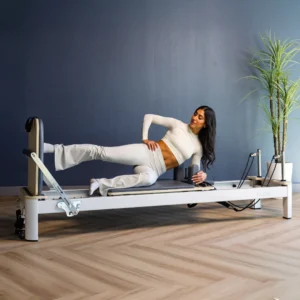
Even gentle, intentional movements, such as seated breathing exercises, light core activations, or pregnancy-specific Pilates, can help your body adapt and stay strong.
The key is consistency and safety.[6] A pelvic health physiotherapist can guide you through exercises that are safe for each stage of pregnancy, ensuring your core and pelvic floor work together in harmony.
How Pelvic Floor Physiotherapy Can Help
Pelvic floor physiotherapy is about more than just exercise—it’s a holistic, evidence-based approach to supporting your entire body throughout pregnancy.
Here’s what that might include:
Pelvic Floor Awareness
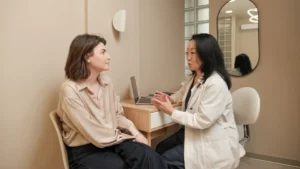
Your physiotherapist will assess the strength, coordination, and relaxation of your pelvic floor muscles to ensure they’re supporting you properly and preparing effectively for birth.
Pelvic Floor & Abdominal Strengthening
You’ll learn how to both activate and relax your pelvic floor muscles, and sometimes use biofeedback to guide you. Deep abdominal strengthening helps stabilize your growing belly, manage pressure, and improve your ability to push effectively during delivery.
Pain Management & Comfort Strategies
If you’re experiencing lower back or pelvic girdle pain (PGP), including pubic symphysis discomfort, your physiotherapist can help with pain-free movement strategies, posture education, and self-care tips to improve comfort during rest and sleep.[5]
When Should You Start Pelvic Floor Physiotherapy?
The sooner, the better!
Starting early gives your body a head start. Pelvic floor support during pregnancy not only eases the changes happening now but also helps your body recover more confidently after delivery.
At Vital Physiotherapy & Wellness, we’re here to help you strengthen your core and pelvic floor safely and confidently, so you can move through pregnancy feeling more comfortable, capable, and ready for birth.
If you have questions or are unsure where to start, we are here to support you.
Reach out to us today to book your appointment!
References
- Wu Y, et al. Interventions for maintaining pelvic floor health during pregnancy: a systematic review. Physiother Res Int. 2025;30:e70077. doi:10.1002/pri.70077
- Pires TF, Pires PM, Costa R, Viana R. Effects of pelvic floor muscle training in pregnant women. Porto Biomed J. 2020;5(5):e077. doi:10.1097/j.pbj.0000000000000077
- Woodley SJ, Lawrenson P, Boyle R, et al. Pelvic floor muscle training for preventing and treating urinary and faecal incontinence in antenatal and postnatal women. Cochrane Database Syst Rev. 2020;5(5):CD007471. doi:10.1002/14651858.CD007471.pub4
- Schreiner L, Crivelatti I, de Oliveira JM, Nygaard CC, Dos Santos TG. Systematic review of pelvic floor interventions during pregnancy. Int J Gynaecol Obstet. 2018;143(1):10-18. doi:10.1002/ijgo.12513
- Clinton SC, Newell A, Downey PA, Ferreira K. Pelvic girdle pain in the antepartum population: physical therapy clinical practice guidelines linked to the International Classification of Functioning, Disability, and Health from the Section on Women’s Health and the Orthopaedic Section of the American Physical Therapy Association. J Womens Health Phys Ther. 2017;41(2):102-125. doi:10.1097/JWH.0000000000000081
- Haseli A, Eghdampour F, Zarei H, Karimian Z, Rasoal D. Optimizing labor duration with Pilates: evidence from a systematic review and meta-analysis of randomized controlled trials. BMC Pregnancy Childbirth. 2024;24(1):573. doi:10.1186/s12884-024-06785-5