Originally published on August 1, 2025 by Vital Physiotherapy & Wellness, now part of the Bravella Health network. Original author: Kimberly Landreville.
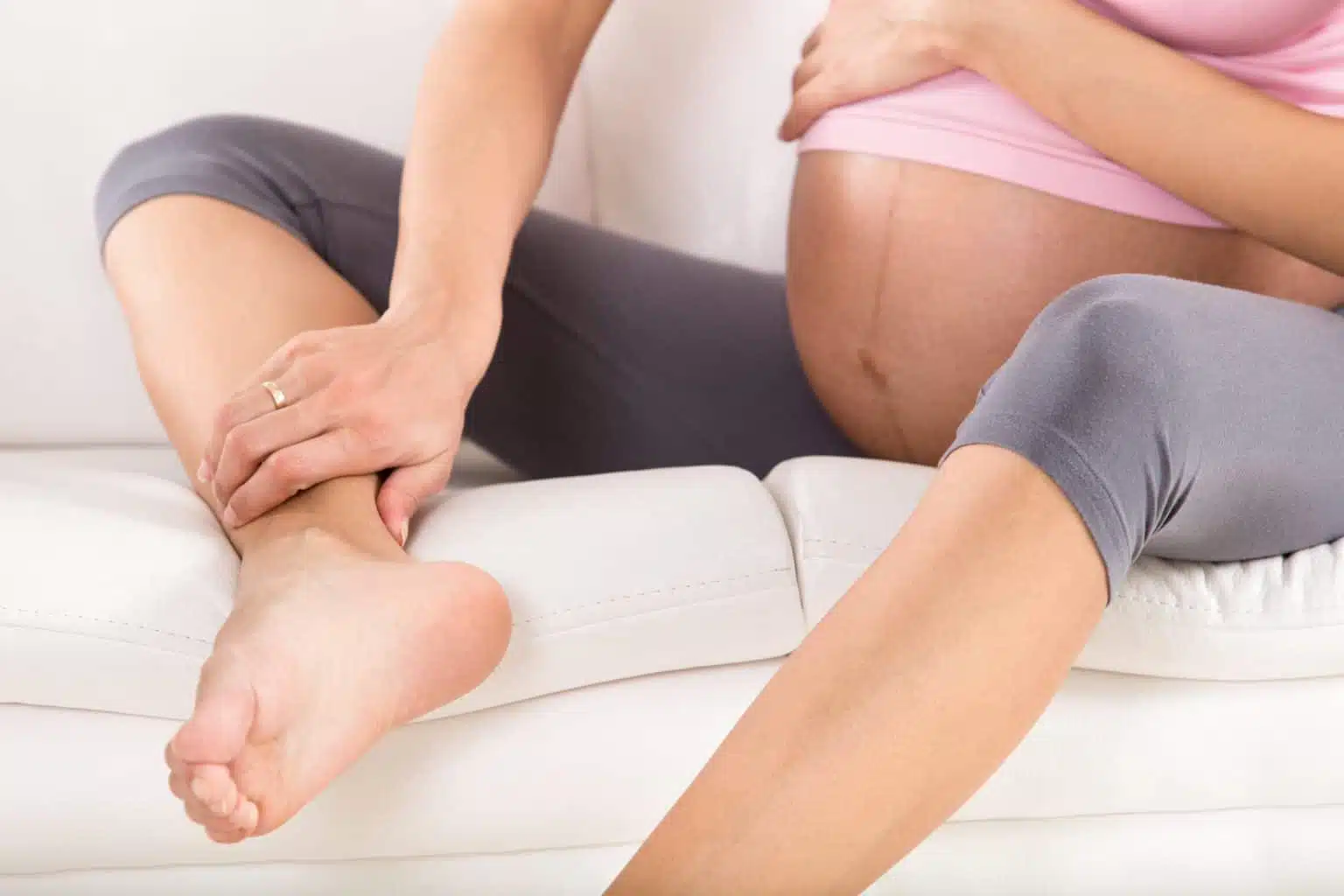
Pregnancy is a time of incredible change—and your feet are often the unsung heroes carrying you through it. With shifting posture, hormonal changes, and added weight, it’s no surprise many expecting parents experience foot discomfort. But here’s the good news: a few simple habits can go a long way in keeping you comfortable, mobile, and supported throughout your pregnancy.
Why Foot Support Matters
Your feet do more than just move you from point A to B—they’re part of your body’s foundation. During pregnancy, ligaments soften, which can alter the way your feet function. As your center of gravity shifts and your weight increases, you may experience overpronation (collapsed arches), swelling, or even plantar fasciitis—a common and painful foot condition.[1]
The easiest way to prevent these issues? Start with your footwear.
What to Wear
A good place to start? Birkenstock-style sandals for indoor support, especially the cork-based models. They offer strong arch support and absorb impact—while the open-toe design gives swollen feet room to breathe.
For long walks or full days on your feet, switch to a well-fitted running shoe with a cushioned sole and stable heel. Think of it as an insurance policy for your posture, balance, and comfort.
Pro tip: Avoid flat flip-flops and unsupportive house slippers. They may feel easy—but they offer your feet very little love.
Understanding Plantar Fasciitis in Pregnancy
If you’ve ever felt a sharp, stabbing pain in your heel when getting out of bed, you might be dealing with plantar fasciitis—an inflammation of the thick band of tissue (plantar fascia) that runs along the bottom of your foot.[2]
During pregnancy, added weight, tight calves, and long periods of standing can overstress this tissue, leading to small tears and irritation.[2] Left untreated, plantar fasciitis can also affect your posture and increase discomfort in your knees, hips, or lower back.
Prevention Tips
- Wear arch-supportive shoes daily, even indoors.
- Stretch your calves and soles regularly.[2]
- Use massage tools (like a therapy ball) to release tension under the foot.
Early care and prevention are key. The goal is to reduce strain before discomfort becomes a chronic issue.
Is Foot Massage Safe During Pregnancy?
Yes, prenatal foot massage is safe when done by a trained professional.[3]
Despite some myths, there’s no evidence to suggest a gentle foot massage will induce labor. In fact, research shows prenatal massage (including reflexology) may:[3,4]
- Reduce stress and anxiety
- Improve circulation and lymphatic flow
- Help with swelling
- Contribute to better sleep and relaxation
That said, prenatal care should always be intentional. Reflexology points on the feet correspond to different systems in the body, so deep pressure on certain zones is generally avoided during pregnancy. Your Registered Massage Therapist (RMT) will tailor the treatment to your needs, always keeping safety top of mind.
If you’re unsure or have a high-risk pregnancy, check with your care provider before starting massage therapy.
Simple Foot Care You Can Do at Home
You don’t need a spa day to take care of your feet. Just a few minutes a day can help reduce soreness, support circulation, and prevent stiffness. Here are a few easy practices to try:[5]
- Calf & foot stretches: Stretch your calves against a wall or stair, and try toe flexes to relieve tension and prevent leg cramps.
- Foot rolling: Use a tennis ball, lacrosse ball, or therapy ball under your foot to gently massage the plantar fascia.
- Ankle circles & foot pumps: While seated, rotate your ankles and flex/point your toes to help manage swelling and maintain mobility.
- Warm foot soaks: Epsom salt baths can ease soreness and promote relaxation. For swelling, alternate warm and cool compresses.
Avoid extremes—skip the hot tubs, but enjoy a warm soak and some downtime.
Why This Matters for Pelvic and Postural Health
Foot care doesn’t just impact your feet. Poor alignment from the ground up can affect your entire body—especially your pelvic floor. When foot mechanics are off, it can lead to compensation in the hips and pelvis, which may cause discomfort and even interfere with core muscle function during and after pregnancy.
By prioritizing foot health now, you’re laying a strong foundation for postpartum recovery, smoother mobility, and reduced discomfort in later trimesters.
Build It Into Your Prenatal Routine
With all the appointments, prep, and daily changes during pregnancy, it’s easy to overlook your feet. But small changes—like choosing supportive shoes, stretching regularly, or booking a prenatal massage—can have a big impact.
Need guidance on where to start? Our in-house Registered Massage Therapist, Kimberly Landreville, specializes in prenatal care and can help you develop a personalized plan. From easing foot and leg tension to improving circulation, we’re here to support your next steps—literally. Contact her at kimberly@vitalphysiotherapy.com to learn more about how her work can support you.
Remember: Foot care isn’t just pampering. It’s proactive support for your changing body.
References
- Segal NA, Boyer ER, Teran-Yengle P, Glass NA, Hillstrom HJ, Yack HJ. Pregnancy leads to lasting changes in foot structure. Am J Phys Med Rehabil. 2013;92(3):232-240. doi:10.1097/PHM.0b013e31827443a9
- Buchbinder R. Plantar fasciitis. N Engl J Med. 2004;350(21):2159-2166. doi:10.1056/NEJMcp032745
- Field T. Pregnancy and labor massage. Expert Rev Obstet Gynecol. 2010;5(2):177-181. doi:10.1586/eog.10.12
- Moyer CA, Rounds J, Hannum JW. A meta-analysis of massage therapy research. Psychol Bull. 2004;130(1):3-18. doi:10.1037/0033-2909.130.1.3
- American College of Obstetricians and Gynecologists. Physical activity and exercise during pregnancy and the postpartum period: ACOG Committee Opinion, Number 804. Obstet Gynecol. 2020;135(4):e178-e188. doi:10.1097/AOG.0000000000003772