Originally published on May 7, 2026 by Vital Physiotherapy & Wellness, now part of the Bravella Health network. Original author: Talia Diamond.
“Do you treat men at Vital?” is a question we are asked every day. The answer is a resounding and enthusiastic “Yes!”
Men have pelvic floors too—in fact, every human has a pelvic floor! So, whether you were born with a vagina or a penis, the pelvic floor plays an essential role in your overall well-being,[1] and just like any other muscle in your body, it deserves attention, care, and support.
Many people associate pelvic floor physiotherapy with pregnancy or postpartum care, but it’s just as relevant for men. In fact, pelvic floor dysfunction in men is more common than many realize. And it’s not just about bladder control—it affects bowel health, sexual function, and even recovery from surgery.
What Does a Functional Pelvic Floor Mean for Male Clients?
A healthy pelvic floor is one that can contract and relax effectively. This flexibility is key to its function—whether it’s supporting your organs, maintaining continence, or contributing to sexual and core function.[1]
For men, pelvic floor dysfunction can be triggered by many things:
- Past injuries, especially to the lower back or hips
- Surgeries like a prostatectomy
- Chronic constipation or straining
- Infections or inflammation
- Postural changes or weight gain that impact core control
- Any other medical disorder that can cause the pelvic floor muscles to weaken and/or tighten
Symptoms for men and male clients can show up in many different ways.
Bladder Symptoms to Look Out For
Bladder issues are often the first sign something might be off. Some of the most common include:
- Leaking urine when you cough, sneeze, or stand up
- Urgency or difficulty getting a stream started
- Starting and stopping mid-stream
- Leaking on the way to the bathroom
- Pain or burning during urination
While these symptoms are common after prostate surgery,[2] they can affect any man with pelvic floor dysfunction.
Bowel Changes
Your pelvic floor is also responsible for helping control bowel movements. Dysfunction here can lead to:
- Straining to have a bowel movement
- Incomplete emptying
- Difficulty holding in stool or gas
- Feeling like you don’t have the urge to go
Sexual Dysfunction and the Pelvic Floor
Many men don’t realize how closely the pelvic floor is tied to sexual health. If the muscles are too tight or uncoordinated, this can contribute to:[1]
- Erectile dysfunction
- Premature ejaculation
- Difficulty with orgasm or post-orgasm pain
Research shows that pelvic floor muscle training improves blood flow, helps with erection rigidity, and supports overall sexual function.[1]
Chronic Pelvic Pain and Prostatitis
Chronic Prostatitis or Chronic Pelvic Pain Syndrome (CPPS) can show up as pain in the perineum, groin, testicles, rectum, or lower back. It’s often misunderstood and misdiagnosed, especially when antibiotics or medications don’t help.[3]
Pelvic physiotherapy can be a powerful tool here. By working with a trained practitioner to release tension, improve coordination, and address surrounding muscle imbalances, many men experience significant improvements in pain and function.[3]
Recovery After Prostate Surgery
The prostate surrounds the urethra, so when it’s removed during a prostatectomy, urinary control can be affected. Many men experience incontinence or pelvic pain afterward.[2] Pelvic physiotherapy can support recovery by:
- Strengthening pelvic floor and core muscles
- Reducing scar tissue and adhesions
- Helping restore control and comfort during daily activities
Research supports individualized pelvic physiotherapy as an effective part of post-surgical recovery.[2]
You’re Not Alone and You Have Come to the Right Place
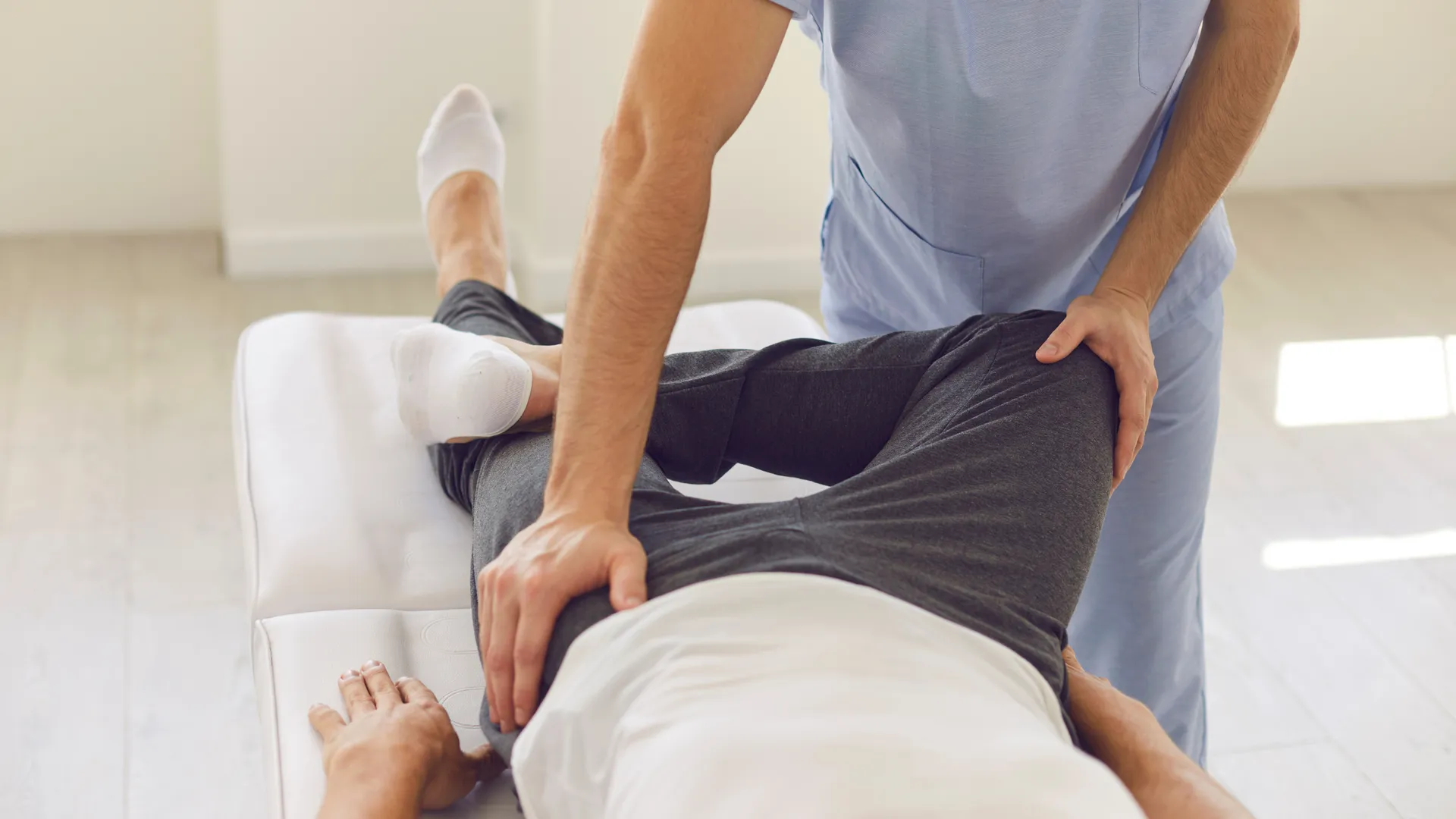
We have practitioners at Vital who work with men regularly. Whether you’re recovering from surgery, managing ongoing symptoms, or just starting to notice some changes—you don’t have to figure it out alone.
Pelvic floor physiotherapy is for men, too. If you’re experiencing symptoms, have questions, or just want to know where to begin, give us a call. Our clinic coordinator is here to talk it through and help you feel comfortable taking that first step.
References
- Cohen D, Gonzalez J, Goldstein I. The role of pelvic floor muscles in male sexual dysfunction and pelvic pain. Sex Med Rev. 2016;4(1):53-62. doi:10.1016/j.sxmr.2015.10.001
- Scott KM, Gosai E, Bradley MH, et al. Individualized pelvic physical therapy for the treatment of post-prostatectomy stress urinary incontinence and pelvic pain. Int Urol Nephrol. 2020;52(4):655-659. doi:10.1007/s11255-019-02343-7
- Van Alstyne LS, Harrington KL, Haskvitz EM. Physical therapist management of chronic prostatitis/chronic pelvic pain syndrome. Phys Ther. 2010;90(12):1795-1806. doi:10.2522/ptj.20090418